


Latest Episode
275 - Property Protection and the Role of Insurers with Gary Howe
Fire safety engineering based on our codes and legislations often stops at life safety and code compliance. However, in the world of insurers, there is much more beyond that - a critical question is “what happens to the business after the fire?” Today I sit down with Gary Howe, Senior Risk Engineer at Zurich Resilience Solutions (Zurich Insurance Group), to unpack how insurance risk engineering evaluates fire risk across property protection, environmental impact, reputational exposure, and the b
Play Latest EpisodeRecent Episodes
Nov. 3, 2026
275 - Property Protection and the Role of Insurers with Gary Howe
Fire safety engineering based on our codes and legislations often stops at life safety and code compliance. However, in the world of insurers, there is much more beyond that - a critical question is “what happens to the business after the fire?” Today I sit down with Gary Howe, Senior Risk Engineer at Zurich Resilience Solutions (Zurich Insurance Group), to unpack how insurance risk engineering evaluates fire risk across property protection, environmental impact, reputational exposure, and the b
Oct. 28, 2026
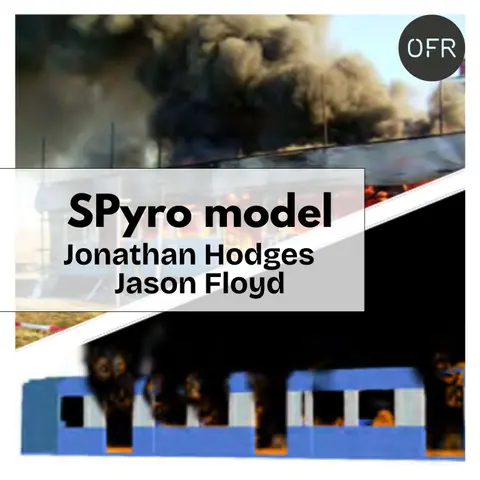
274 - SPyro model for predicting fire growth with Jonathan Hodges and Jason Floyd
Modeling the consequences of a fire is what most of us do day to day. Modeling how a fire actually grows across real materials, under changing heat flux and ventilation, is the part we tend to avoid, hiding behind a prescribed design fire. That gap is exactly what we tackle with Jason Floyd and Jonathan Hodges from UL Research Institutes, the developers of S-PYRO, a new engineering pyrolysis model already included in Fire Dynamics Simulator (FDS). We walk through the origin story in railcar fir
Oct. 21, 2026
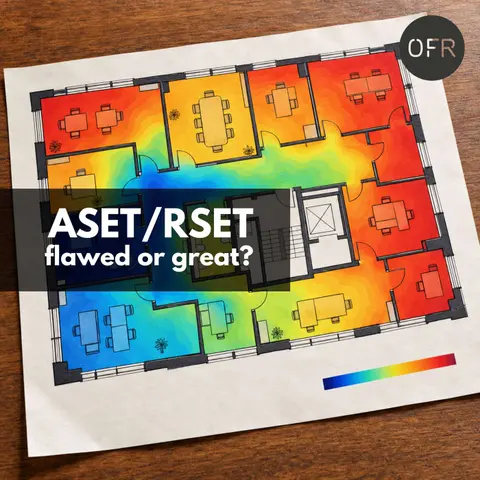
273 - ASET/RSET concept - flawed or great?
ASET/RSET is the fire safety engineering idea that sounds almost too clean to argue with: the building must give you more time to escape than you need to get out. But once you try to prove it in a real project, the simplicity could and and the hard questions start. Where does “time zero” actually begin: ignition, detection, or alarm? What does it mean for tenability to fail in a place where nobody is anymore? And are we designing safer buildings, or just winning a seconds-on-a-spreadsheet contes
Oct. 7, 2026
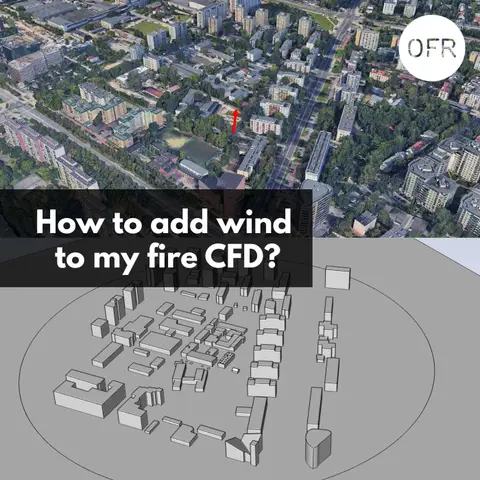
272 - How to add wind to fire CFD analysis?
In this episode I take you into practicality of introducing wind into fire safety engineering considerations, and focus on it's implementation as a part of fire oriented CFD analyses. In here, we dig into why wind is tied to so many catastrophic fires, why firefighter safety is often shaped by sudden wind shifts, and why designing for calm air can quietly turn fire safety into a coin toss. I walk through what wind actually is from a fire engineering perspective: an atmospheric, turbulent phenom
Listen On


Support On

Sponsors
